







Learn with us
All Archived Activity
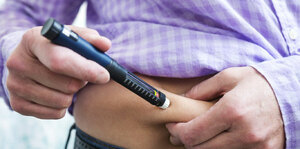
Insulin Masterclass: Role and Fit of Premixes in Insulin Management
We are delighted to invite you to the webinar titled ‘Insulin Masterclass: Role and Fit of Premixes in Insulin Management'. where we host international speaker to talk about insulin management in diabetic patients.
Updated Mar 2021
On Demand
Free
Free

Workplace Based Assessment (WPBA) and Constructive Feedback for Clinical Skills Assessment
5.0
2021-04-06 19:00
Workplace Based Assessment (WPBA) and Constructive Feedback for Clinical Skills Assessment
Clinical skills assessment is an integral part of any clinical training program either under or post-graduate program. There is a great need to train faculty members, trainers in residency programs, and clinicians at different levels, on different strategies of WPBA. The training on these strategies should be proceeded by an introduction to clinical skills assessment and the importance of combining both formative and summative assessment. The role of giving constructive feedback is also an important area of improvement in any clinical skills training program.
Live Online
Free
Free

Fight the Diseases & Obesity With Your Food
In this lecture, you will travel inside your body & brain to know all secrets for obesity, discover all tricks to win your war against epidemic obesity.
Moreover, you will be a leader to design plans for your body or other people and discover various solutions for obesity for all ages. Join us in this upcoming interactive lecture to learn more about obesity management.
115
SAR
115
SAR

Ethical Dilemma of Interaction Between Physicians and Medical Industry; Characteristics and Consequences
2021-04-05 18:30
3 CPD HR
Ethical Dilemma of Interaction Between Physicians and Medical Industry; Characteristics and Consequences
The healthcare environment could raise an ethical dilemma between physicians and the medical industry, and this dilemma could affect them in many different aspects, while they are unaware of this negative impact. Therefore, establishing and enhancing the relationship between physicians and the medical industry is crucial for the betterment of a healthy work environment, because it affects patient's quality of care.
IMPORTANT NOTE:
You can join and gain knowledge from this session for free. You also have the option to pay SR 75 to upgrade for some additional benefits. When you upgrade you will receive a certificate of achievement and 3 CME hours if you attend 70% of the session live.
Live Online
Free
Free

الدعم النفسي .. ضرورة أم رفاهية ؟
بوعينا الكامل بصعوبة هذه الحياة، وفي سبيل التكيف معها عكفنا نحن "مركز إدراك" في تنظيم ملتقى إدراك السنوي وبأدوات وإرشادات نخبة من المعالجين والممارسين في المجال النفسي، لنتمكن في النهاية من نشر المعرفة والوصول الى الإدراك في حياتنا.
Live Online
Free
Free

Enuresis
Enuresis is more commonly known as bed-wetting. Nocturnal enuresis, or bed-wetting at night, is the most common type of elimination disorder. In this lecture we will discus more about the topic with expert (Causes, Signs & Symptoms, management and more).
Don't wait too long, join the session and start learning now!
IMPORTANT NOTE:
You can join and gain knowledge from this session for free. You also have the option to pay SR 75 to upgrade for some additional benefits. When you upgrade you will receive a certificate of achievement and 3 CME hours if you attend 70% of the session live.
Live Online
Free
Free

Asthma Personalised Management Updates in Treatment
Asthma is a common syndrome, heterogenicity is a feature, every single person have a relationship with asthma patients Knowing all the updates in understanding the asthma approach is needed.
IMPORTANT NOTE:
You can join and gain knowledge from this session for free. You also have the option to pay SR 75 to upgrade for some additional benefits. When you upgrade you will receive a certificate of achievement and 3 CME hours if you attend 70% of the session live.
Live Online
Free
Free

Updates on Dyslipidemia management (Guidelines and practice insights)
Updates on Dyslipidemia management (Guidelines and practice insights)
Live Online
Free
Free

Translating GLP-1 Clinical Efficacy into RWE
We are pleased to invite you to the webinar titled ‘Translating GLP-1 Clinical Efficacy into RWE’ presented by Dr. Amar Ali and Dr.Hussein Elbadawi. The webinar will be moderated by Dr. Khalid Al Shali.
Updated Mar 2021
On Demand
Free
Free
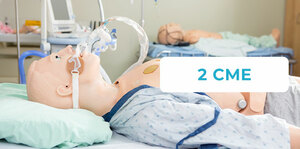
Clinical Simulation guided by Theoretical Frameworks
This lecture will discuss how to use theoretical or conceptual framework to guide simulation in healthcare education
Live Online
115
SAR
115
SAR

Challenges and Opportunities in AxSpA
We are delighted to invite you to the webinar titled ‘Challenges and Opportunities in AxSpA'. where we host international leader in rheumatology community to talk about Axial Spondyloarthritis with the focus on the latest evidence.
Updated Mar 2021
On Demand
Free
Free

Balance Your Choices in Ramadan for Fasting Patients with Diabetes
We are pleased to invite you to the webinar titled ‘Balance Your Choices in Ramadan for Fasting Patients with Diabetes’ where Dr. Hussein Raef will be sharing the principle of nutritional therapy as well as the medication classes and dosage adjustments during Ramadan.
Updated Mar 2021
On Demand
Free
Free
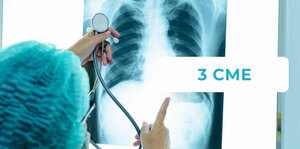
Lung Ultrasound Clinical Applications in Respiratory Care
Lung ultrasound is reliable, rapid, and conclusive to arrive at a diagnosis of pneumonia even in the emergency room. In this lecture, we will discuss more about the topic. Do not wait more and join us now.
IMPORTANT NOTE:
You can join and gain knowledge from this session for free. You also have the option to pay SR 75 to upgrade for some additional benefits. When you upgrade you will receive a certificate of achievement and 3 CME hours if you attend 70% of the session live.
Live Online
Free
Free

5th Basic Laboratory Interpretation
Laboratory findings can be a key piece of assessment to determine what is occurring within the body of a patient. There are many tests that can be done. The most common tests include chemistry panels, hematology (such as the complete blood count and blood films), applications of serology blood tests. This package will take a close look at these components. The sessions will be illustrated with just enough detail to help you figure out a systematic way to approach them. It emphasizes real-world applications and moves knowledge from theory to practice.
Chemistry:
- Renal function test
- Liver function test
Immunology:
- General serology tests
- Allergy tests
- Infectious diseases tests
Hematology:
- Complete blood count (Anemia & leukemia workups)
- Hemoglobin electrophoresis
230
SAR
230
SAR
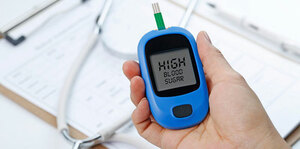
Finding the Balance in T2D Management in Ramadan
We are pleased to invite you to the webinar titled ‘Finding the Balance in T2D Management in Ramadan’ presented by Dr. Saud Alsifri.
Updated Mar 2021
On Demand
Free
Free

Nurse Effective Communication
Having strong communication skills aids in all aspects of life – from professional life to personal life and everything that falls in between. From a business standpoint, all transactions result from communication. Good communication skills are essential to allow others and yourself to understand information more accurately and quickly.
In contrast, poor communication skills lead to frequent misunderstanding and frustration.
Join us now with our speaker to expand your communication skills and develop it.
IMPORTANT NOTE:
You can join and gain knowledge from this session for free. You also have the option to pay SR 75 to upgrade for some additional benefits. When you upgrade you will receive a certificate of achievement and 3 CME hours if you attend 70% of the session live.
Live Online
Free
Free
Laboratory Tests Interpretation (Clinical Cases)
Laboratory tests are needed for every patient to aid for diagnosis but the proper interpretation is key for that. Also, the overuse of laboratory testing has increased rapidly and a substantial proportion of ordered tests are unnecessary.
Join us in this live lecture to understand more about the laboratory tests results.
IMPORTANT NOTE:
You can join and gain knowledge from this session for free. You also have the option to pay 75 SR to upgrade for some additional benefits. When you upgrade you will receive a certificate of attendance and 2 CME Hours if you attend 70% of the session live.
Free
Free
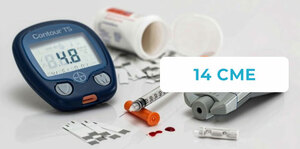
Diabetes Educator Course
Diabetes Educator seminar that is open to nurses, pharmacists, and Other Health Care Providers who planned involvement in the management and education of individuals with diabetes. Multidisciplinary health care teams interested in organizing or improving a diabetes program are especially encouraged to attend. Professionals preparing to take the Certified Diabetes Educator (CDE) examination will find the course facilitates their study.
Important:
- This course is designed for clinicians who care for persons with diabetes in their general practice but who have not received specialized entry-level training in diabetes disease management.
- This course is also open to students preparing to take their licensure examination.
- Course Date: 26,27 March
- Exam: 2,3 April
Certificate Requirements:
1- ATTENDING CERTIFICATES with 14 CME Hours: It Will Provided To All Attendees { if you attend 70% of the session live}.
2- TRAINING CERTIFICATES with 14 CME Hours: if you attend 70% of the session live & if you Passed The Written & Oral Assessment.
Please Note: There Is Two Trial Of Written Assessment.
Those Who Passed Written Assessment They Are Eligible To Oral Assessment. IF you didn't pass the written assessment from the first attempt you need to pay an extra fee to take the exam again.
Material: PDF material will be available one week prior to the course start date.
Course LANGUAGE: English/Arabic
Live Online
Start From
287.5
SAR
Start From
287.5
SAR

Quality Control in the Laboratory
Quality control (QC) is one of the most important impacts in laboratory testing. It ensures both precision and accuracy of patient sample results. Effective quality control identifies and correct flaws in the analytical processes before potentially incorrect patient results are released in the laboratory. This course focuses on providing a systematic, process-oriented approach to meet quality standards, and deliver consistent, high-quality, cost-effective laboratory services. Join us in this upcoming interactive course to learn more about quality control in the laboratory setting.
230
SAR
230
SAR
The Unmet Needs and the Role of IL-17 Inhibitor in the Management of Patients with Axial Spondylarthritis
2021-03-24 21:30
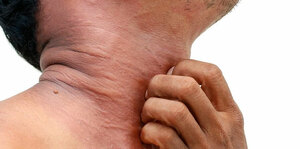
The Unmet Needs and the Role of IL-17 Inhibitor in the Management of Patients with Axial Spondylarthritis
Axial spondyloarthritis (axSpA) refers to the inflammation of the axial skeleton and encompasses two subtypes of the same disease: AS/r-axSpA and nr-axSpA. Lack of effective alternative therapies in axSpA leads to inadequate response or failure to maintain response.
Free
Free
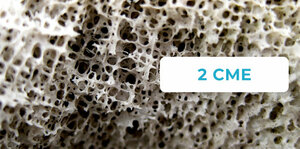
Treatment of Severe Osteoporosis
We are pleased to invite you to the webinar titled 'Treatment of Severe Osteoporosis' where Prof. Adolfo Diez will address the importance of the bone metabolism in Osteoporosis, latest OP guidelines, comprehensive review of Teriparatide data and its importance in the management in OP
Free
Free