English
 What I will learn?
A.Understanding the Importance
1. Recognize Significance: Understand the critical importance of early identification of iron-deficiency anemia in children for cognitive and physical development.
2. Know the Risks: Become familiar with the risk factors associated with iron-deficiency anemia, such as poor diet, premature birth, and chronic diseases.
B.Diagnostic Tools and Assessments
3. Clinical Assessment: Master the art of recognizing clinical symptoms, such as pallor, fatigue, and developmental delays, that may indicate iron-deficiency anemia.
4. Lab Tests: Become proficient in ordering and interpreting relevant laboratory tests like CBC, serum ferritin, and serum iron levels.
5. Screening Guidelines: Understand and apply current screening guidelines for iron-deficiency anemia in different age groups.
C.Prevention and Intervention
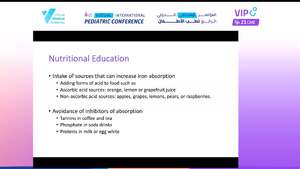
6. Dietary Interventions: Learn about the importance of iron-rich foods and the role of dietary supplements in prevention and treatment.
7. Treatment Plans: Develop expertise in creating treatment plans, including pharmacological therapies like oral iron supplements.
8. Monitor for Compliance and Effectiveness: Understand methods for monitoring treatment effectiveness, including follow-up testing and evaluation of symptom resolution.
1. Recognize Significance: Understand the critical importance of early identification of iron-deficiency anemia in children for cognitive and physical development.
2. Know the Risks: Become familiar with the risk factors associated with iron-deficiency anemia, such as poor diet, premature birth, and chronic diseases.
B.Diagnostic Tools and Assessments
3. Clinical Assessment: Master the art of recognizing clinical symptoms, such as pallor, fatigue, and developmental delays, that may indicate iron-deficiency anemia.
4. Lab Tests: Become proficient in ordering and interpreting relevant laboratory tests like CBC, serum ferritin, and serum iron levels.
5. Screening Guidelines: Understand and apply current screening guidelines for iron-deficiency anemia in different age groups.
C.Prevention and Intervention
6. Dietary Interventions: Learn about the importance of iron-rich foods and the role of dietary supplements in prevention and treatment.
7. Treatment Plans: Develop expertise in creating treatment plans, including pharmacological therapies like oral iron supplements.
8. Monitor for Compliance and Effectiveness: Understand methods for monitoring treatment effectiveness, including follow-up testing and evaluation of symptom resolution.
Related Classes




Content