English
 What I will learn?
1. Recognize Indicators: Accurately identify the clinical signs and symptoms suggestive of child maltreatment, including physical, behavioral, and emotional markers.
2. Differential Diagnosis: Develop skills to differentiate indicators of maltreatment from medical conditions that may present similarly.
3. Assessment Tools: Become proficient in the use of validated screening tools and checklists designed specifically for detecting child maltreatment.
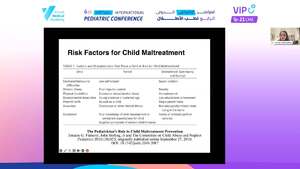
4. Family Dynamics: Gain insights into how family history, socio-economic status, and cultural factors might contribute to child maltreatment.
5. interdisciplinary Collaboration: Learn to collaborate effectively with other professionals like social workers, counselors, and teachers for comprehensive care and support.
6. Clinical Guidelines: Familiarize oneself with international and local guidelines on child maltreatment for evidence-based practice.
2. Differential Diagnosis: Develop skills to differentiate indicators of maltreatment from medical conditions that may present similarly.
3. Assessment Tools: Become proficient in the use of validated screening tools and checklists designed specifically for detecting child maltreatment.
4. Family Dynamics: Gain insights into how family history, socio-economic status, and cultural factors might contribute to child maltreatment.
5. interdisciplinary Collaboration: Learn to collaborate effectively with other professionals like social workers, counselors, and teachers for comprehensive care and support.
6. Clinical Guidelines: Familiarize oneself with international and local guidelines on child maltreatment for evidence-based practice.
Related Classes


Content