English
 What I will learn?
By the end of this session, participants will be able to :
1- Define wheezing and describe its clinical presentation.
2- Identify common causes of wheezing in children.
3- Explain the underlying pathophysiological mechanisms of wheezing in pediatric patients.
4- Discuss the differential diagnosis of wheezing in children, including asthma, bronchiolitis, foreign body aspiration, and other common conditions.
5- Outline the diagnostic approach to a child presenting with wheezing, including history, physical examination, and relevant investigations.
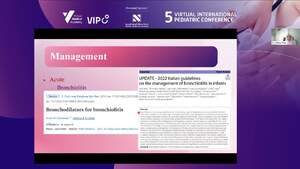
6- Describe the acute and long-term management strategies for children with wheezing based on underlying cause.
1- Define wheezing and describe its clinical presentation.
2- Identify common causes of wheezing in children.
3- Explain the underlying pathophysiological mechanisms of wheezing in pediatric patients.
4- Discuss the differential diagnosis of wheezing in children, including asthma, bronchiolitis, foreign body aspiration, and other common conditions.
5- Outline the diagnostic approach to a child presenting with wheezing, including history, physical examination, and relevant investigations.
6- Describe the acute and long-term management strategies for children with wheezing based on underlying cause.