Introduction
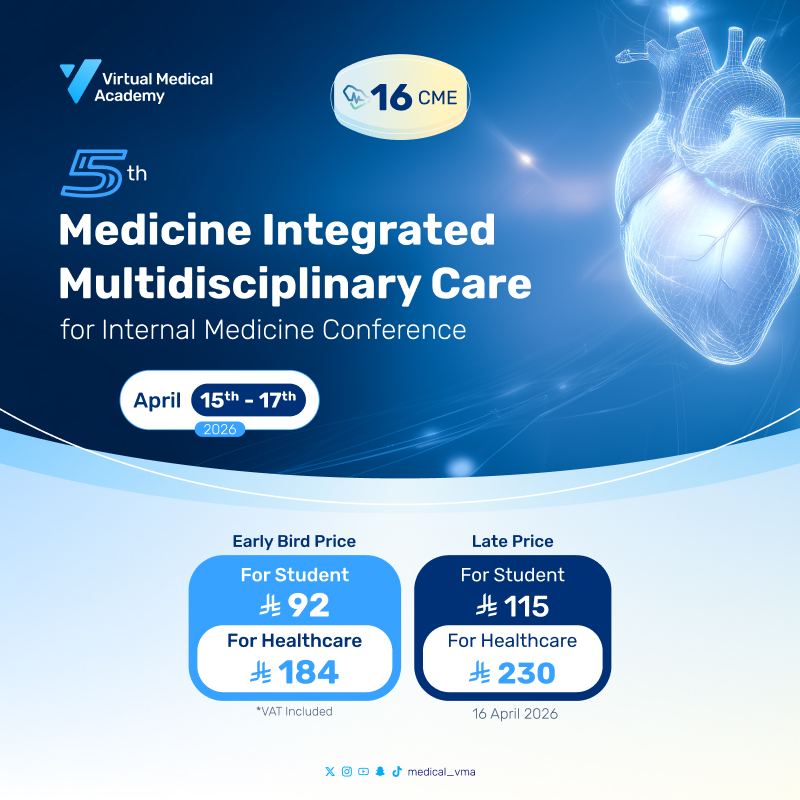
This comprehensive medical conference delivers live interactive and on-demand sessions addressing high-impact conditions commonly encountered in clinical practice. The program covers the latest advances in diabetes care, including prevention versus remission in Type 1 diabetes, innovations in insulin therapy, and glucose monitoring systems. It also explores obesity management through liver health, multidisciplinary care models, and emerging therapies such as incretins.
Participants will gain practical insights into dyslipidemia, focusing on guideline-driven management beyond statins, and rheumatologic conditions, including challenging diagnoses such as gout, fibromyalgia, and the appropriate use of autoimmune markers. Additional live sessions address obstructive sleep apnea, spanning medical and surgical management, and mental health, highlighting mood and anxiety disorders in primary care and their complex relationship with metabolic disease.
On-demand sessions further strengthen clinical decision-making in cardiology (CAD), chronic kidney disease (CKD), and asthma, covering diagnostic approaches, acute and long-term management, perioperative considerations, and patient education strategies. Overall, the conference equips clinicians with evidence-based, practical knowledge to enhance patient outcomes across a wide range of medical specialties.

Objectives
By the end of the conference, participants will be able to:
1. Recognize current evidence on prevention and remission strategies in Type 1 diabetes, including modern insulin therapies and continuous glucose monitoring, to clinical practice.
2. Discuss emerging concepts in obesity and metabolic health, including the liver’s role and multidisciplinary psychological care, into patient management.
3. Recognize the pathophysiology and types of hyperlipidemia, along with the most recent clinical guidelines and treatment strategies.
4. Differentiate true autoimmune disease from nonspecific or false-positive inflammatory markers in rheumatologic evaluation.
5. Discuss evidence-based medical or surgical management strategies for obstructive sleep apnea in accordance with current guidelines.
6. Describe common clinical presentations of mood and anxiety disorders in primary care, including appropriate management, follow-up strategies, and indications for referral.
7. Recognize how to formulate effective management plans for critical cardiology scenarios, including suspected angina pectoris, elevated troponin levels, and post-PCI antiplatelet therapy
8. Explain chronic kidney disease across its continuum, including staging, perioperative care, renal replacement therapy selection, and nutritional intervention.
9. Discuss how to Manage asthma using guideline-directed outpatient care, exacerbation management, patient education, and escalation strategies for severe disease.
Main theme
- Diabetes
- Obesity
- Dyslipidemia
- Rheumatology
- Obstructive Sleep Apnea
- Depression
- CAD
- CKD
- Asthma
Package Include :
Course
This Course For :
Physician
( Allergy & Immunology , Cardiology , Emergency Medicine , Endocrinology & Metabolism , Family Medicine , Gastroenterology , Internal Medicine , Nephrology , Rhino-Otolaryngology , Psychiatry , Pulmonary Medicine , Thoracic and Cardiac Surgery , Preventive Medicine and Public Health , General practitioner )
Resident / Fellow
( Allergy & Immunology , Cardiology , Emergency Medicine , Endocrinology & Metabolism , Family Medicine , Gastroenterology , Internal Medicine , Nephrology , Rhino-Otolaryngology , Psychiatry , Pulmonary Medicine , Thoracic and Cardiac Surgery , Preventive Medicine and Public Health , General practitioner )
Student / Intern
Psychology
( Clinical Psychology , Cognitive & Behavioral , Psychology , Counseling Psychology )
Clinical Nutrition
Nursing and Midwifery
( Community Health Nursing , Emergency Care Nursing , Geriatric Nursing , Psych/Mental Health , Medical and Surgical Nursing , Midwifery , Adult Critical Care Nursing , Primary Health Care Nursing , Psychological and Mental Health Nursing , Pain Management Nursing , Diabetic Care Nursing , Wound Care Nursing , Public Health Nursing , Disaster and Emergency Nursing , Pre, Intra and Postoperative Nursing Care )
Public and Community Health
( Public Health Practice , Health Promotion )
Speaker















Price
Students
Early Bird
05-04-2026
92 SR
Late Bird
06-04-2026
115 SR
HCPs
Early Bird
05-04-2026
184 SR
Late Bird
06-04-2026
230 SR
Contact Information
Organization : Virtual Medical AcademyPhone : 920008161
Email : [email protected]
Different Price By Specialty
 15 Apr 2026 To 17 Apr 2026
  Certificate Available
  SCFHS 16 CME hours
16 Accredited CME Online
- 292
Add to Calendar
04/15/2026 05:30 PM
04/17/2026 09:30 PM
Asia/ Riyadh
5th Medicine Integrated Multidisciplinary Care for Internal Medicine Conference
5th Medicine Integrated Multidisciplinary Care for Internal Medicine Conference
https://medicalacademy.org/portal/event/view/2502